
9 Months in the Rainforest: Going Batty
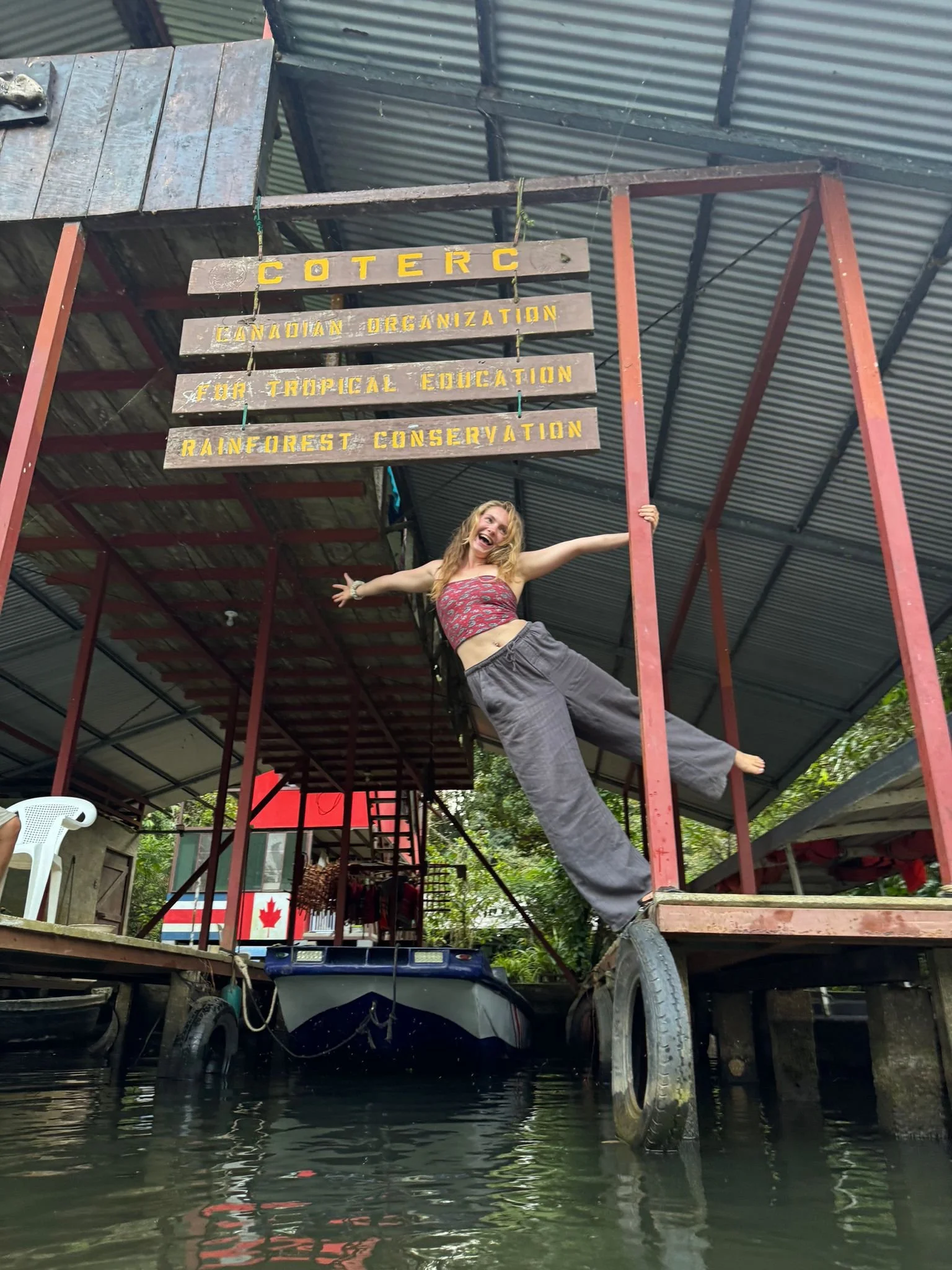
After nine months at Caño Palma Biological Station, I have lived through both the dry and rainy seasons, been well and truly put through my paces during turtle season and learnt more about tent-making bats than I ever expected to know. Somewhere along the way, the station became a second home. The people here became my station family, the jungle became slightly less intimidating, and waking up at 4a.m. became a little less painful.
Life at Caño Palma is not always easy. The rain may not stop for days, the Wi-Fi cuts out just when you need it, and you may find yourself waist-deep in mud. I also managed to go through three phones in my first three months, so never underestimate the power of muddy puddles. But despite the challenges, or maybe because of them, this experience has been one of the most rewarding things I have ever done.
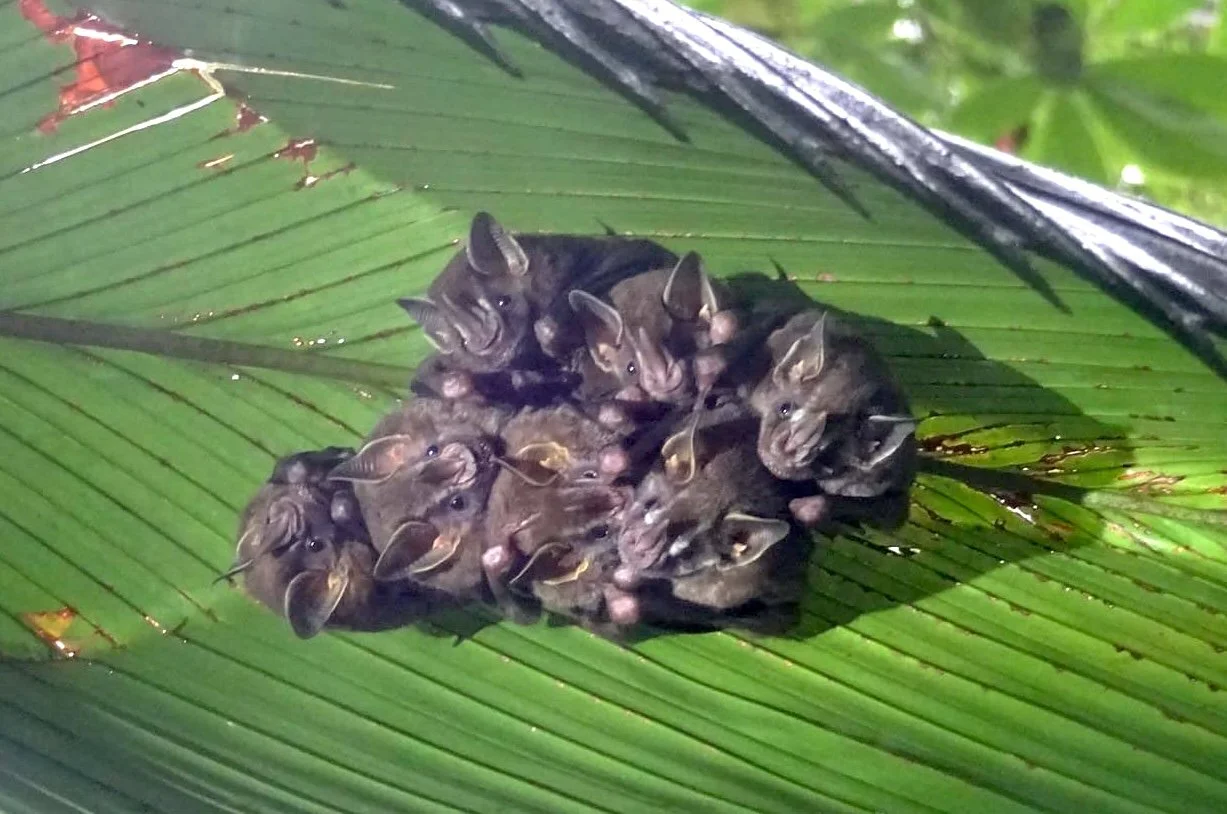
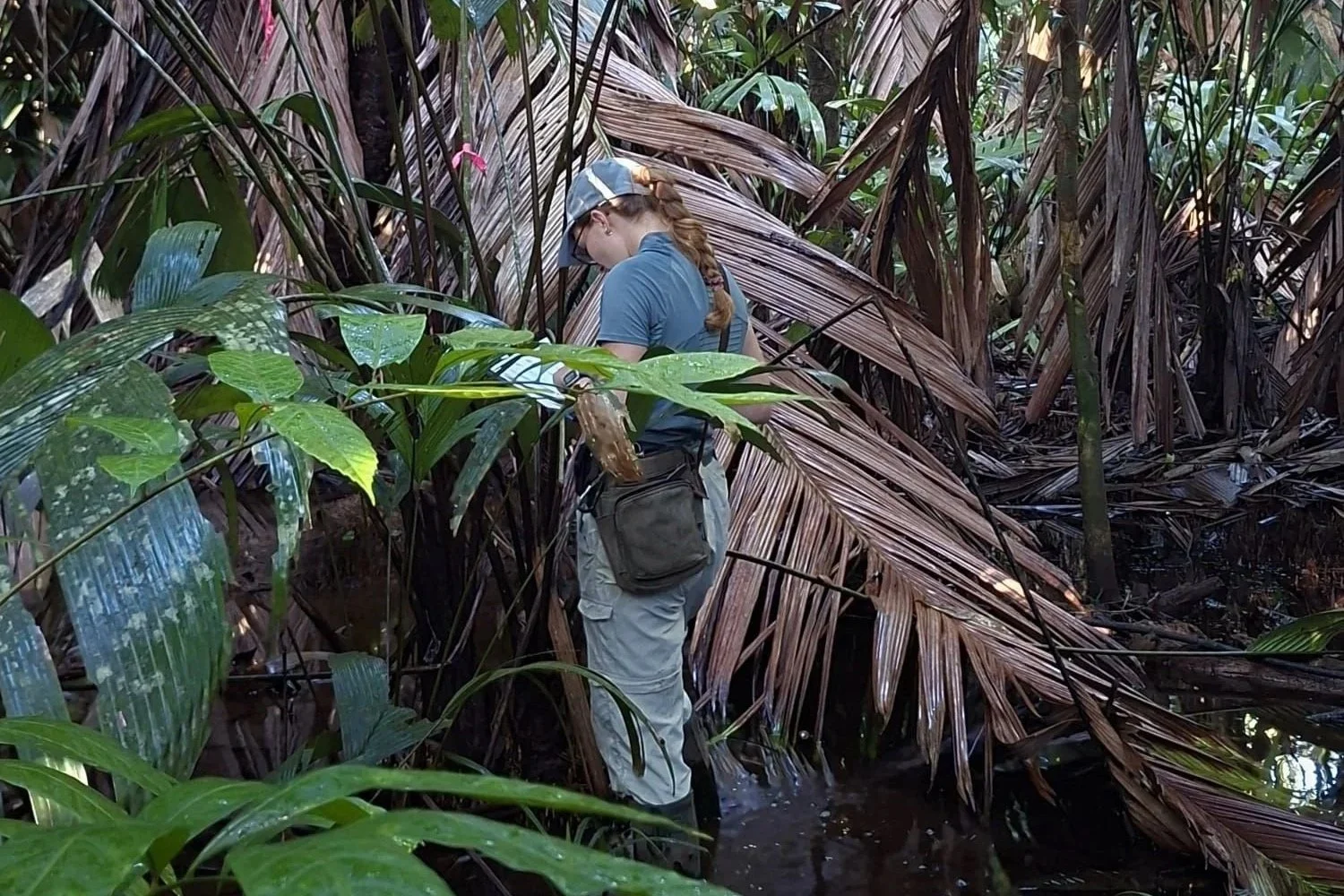
I came here for a placement year as part of my undergraduate Biological Sciences degree at Cardiff University. My research focused on tent-making bats and the tents they use. These are bats that use modified leaves as roosts, creating “tents” where they can shelter during the day. This meant walking three bat transects each week, carefully searching for tent roosts hidden in the vegetation. At first, this was much harder than it sounds. Learning to spot tents in the rainforest takes time, patience, and what people here call “jungle eyes”. It may have taken me a few months to get into the swing of things, but once I reached the point where I could independently lead bat surveys without the sometimes much-needed help of Manuel, I felt very accomplished. The bats themselves, unlike the muddy transects, were much easier to love. After nine months, I finally managed to tick off every tent-making bat species I had hoped to see, including one new species that had not previously been recorded in the area. My last species to find was the Honduran white bat, which took me eight months to see. It was worth the wait, as they are somehow even cuter than the rest.
Of course, the bats were only one part of station life. I was lucky enough to get involved in many of the projects running here. I led mammal surveys, where I had the chance to spot a red brocket deer just metres away. I identified countless jaguar tracks, and even more agouti tracks — maybe too many. I also led macaw surveys and took part in turtle monitoring on the beach. I may not have seen a turtle nesting yet, but I have seen many hatchlings make it to the sea, which I believe is even more heart-warming.
But station life is not only about surveys. I have felt extremely lucky to be surrounded, from start to end, by such interesting, kind, and fun people. Beach days, movie nights, swimming in the canal on hot days, and trips to Tortuguero for fried chicken, a beer, or even a few cheeky piña coladas made my time here even more special, especially with such good company. This place would not be the same without the people.
At 20, this placement was the first time I had travelled outside of the UK completely alone. Coming to Central America without speaking Spanish, and without knowing what life at the station would really be like, was nerve-wracking. But I am so glad I pushed myself to do it. This experience has taught me confidence, perseverance, and independence. It has been challenging, muddy and sweaty, but it has also been unforgettable. I came here hoping to gain research experience, but I am leaving with brilliant memories, new friends, and a second home in the rainforest.
Charlotte Woollard